The protection of Europe’s critical infrastructure and sensitive data is being fortified through quantum encryption technologies, ensuring secure communications within and amongst European Union Member States.
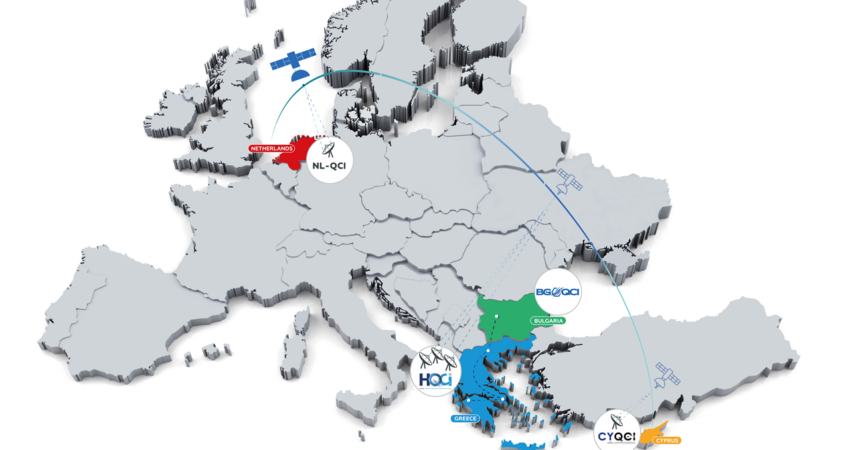
Τhe project SEEWQCI (South-East Europe to Western Europe Quantum Communication Infrastructure), with the goal to develop a resilient and scalable network that combines underground optical fibres with satellite technology and Quantum Key Distribution. This aims to create a virtually unhackable shield for the highly secure transmission of sensitive data across European borders. This cross-border initiative interconnects the National Quantum Communication Infrastructures (NatQCIs) of Greece, Cyprus, Bulgaria and the Netherlands.
The project represents the next implementation phase of the European Quantum Communication Infrastructure (EuroQCI). Following the deployment of National Quantum Communication Infrastructures (NatQCls) across Member States, the focus now moves towards interconnecting these networks, validating interoperability, and delivering operational cross-border quantum services. The project consortium brings together Governmental Authorities, National Security Authorities (NSAs), Security Operation Centres (SOCs), industry leaders, and Research & Technology Organisations (RTOs) from the four participating Member States.
Through this collaboration, SEEWQCI ensures that operational, security and interoperability requirements for real-world quantum networks deployment are addressed. Fully aligned with the European vision for the EuroQCI, SEEWQCI aims to reinforce cybersecurity resilience, promotes European technological sovereignty, and advances trusted cross-border cooperation, contributing to a secure and quantum-safe digital future.
The National Infrastructures for Research and Technology (GRNET S.A.) in Greece, is the project coordinator with the support of the General Secretariat of Telecommunications and Posts of the Ministry of Digital Governance and Artificial Intelligence. This role reaffirms the country’s institutional reliability and technical maturity at a European level. Within the framework of SEEWQCI, the Optical Ground Stations of Greece, Cyprus, and the Netherlands will link with the European satellite EAGLE-1, strengthening the space segment of EuroQCI. In this way, Greece establishes itself as a pivotal hub between South-Eastern and Western Europe, contributing substantially to the interoperability, security, and strategic autonomy of the European quantum ecosystem.
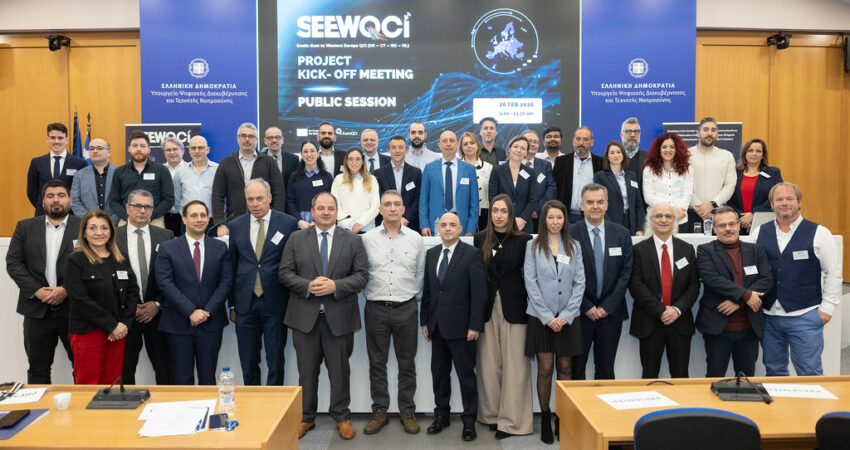
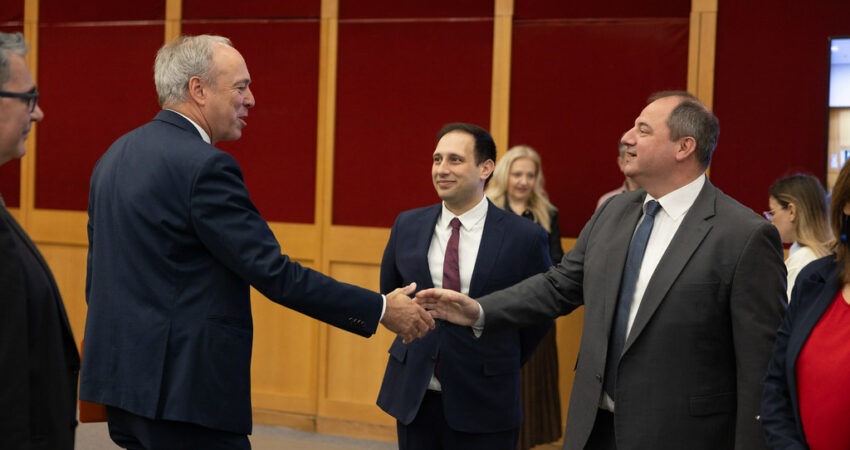
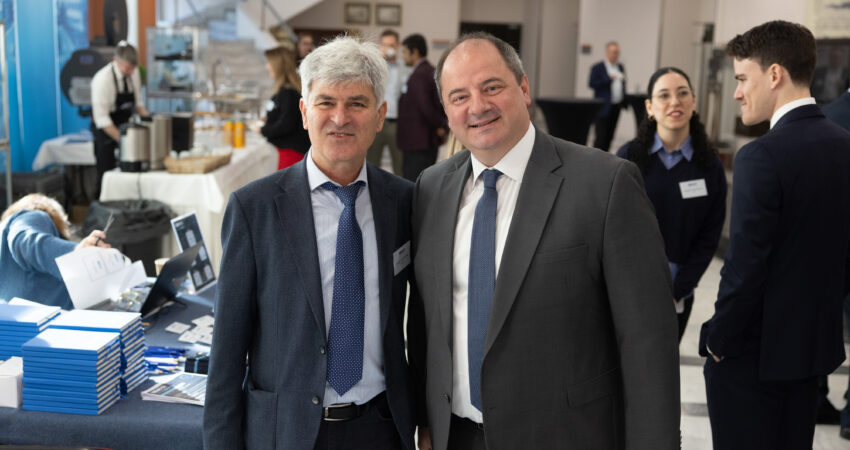
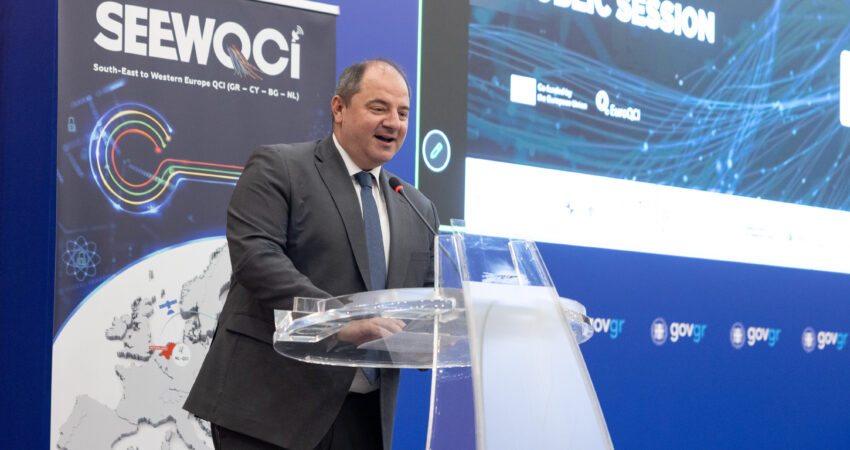
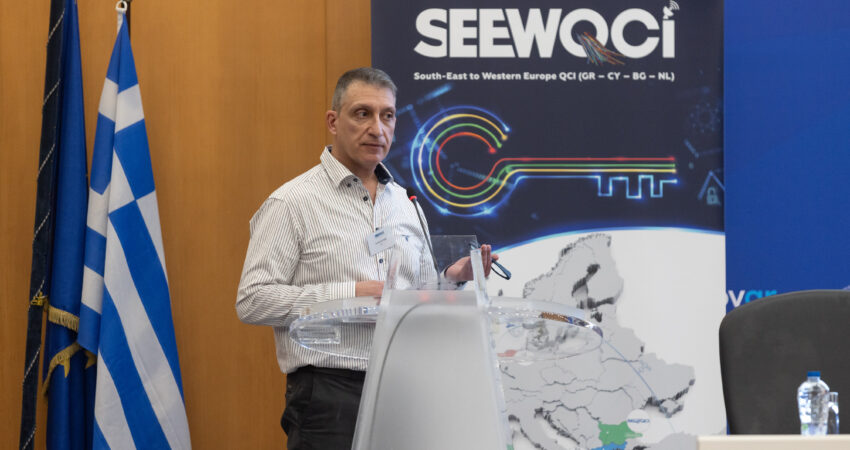
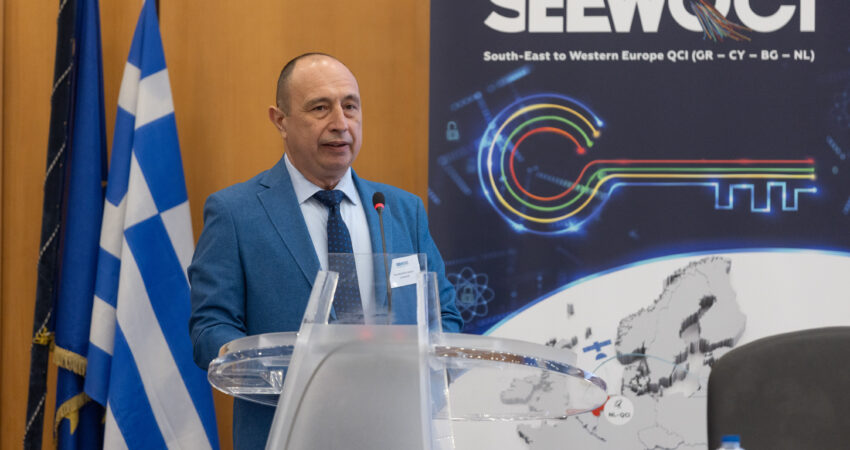
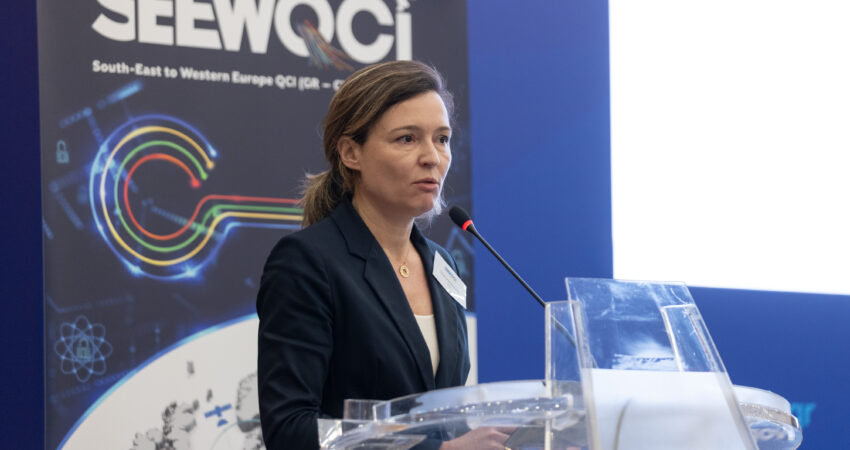
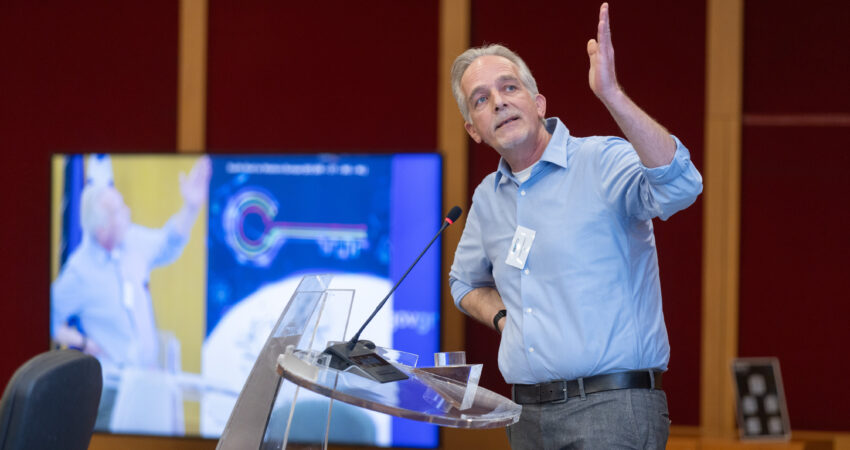
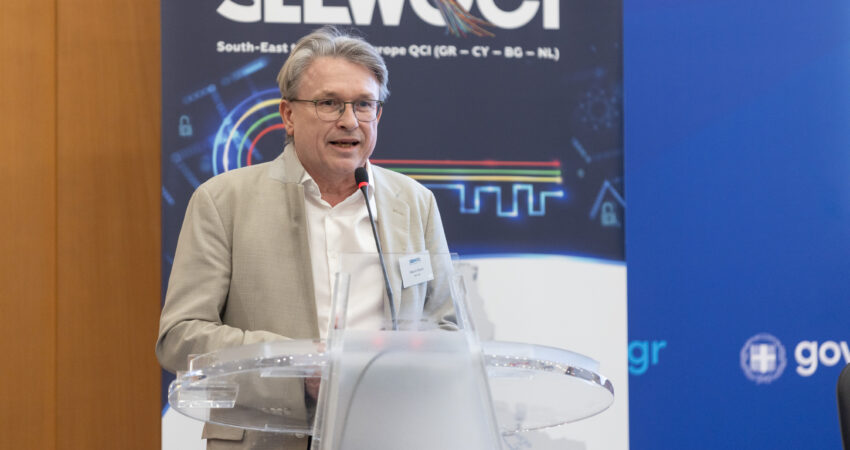
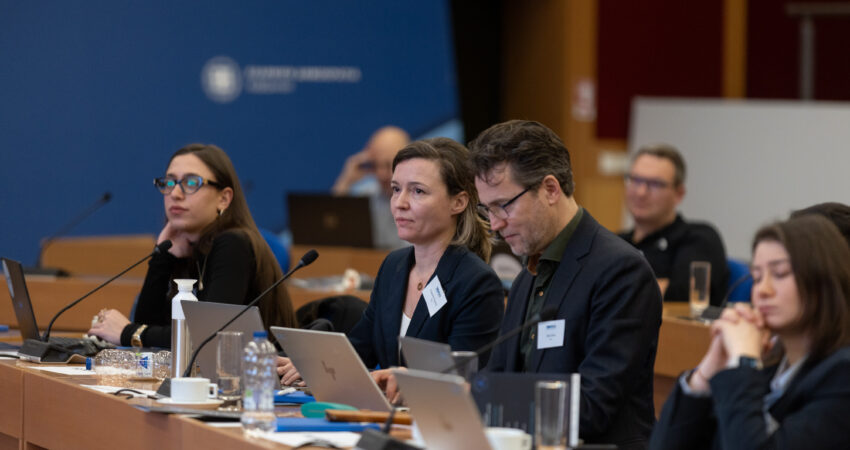
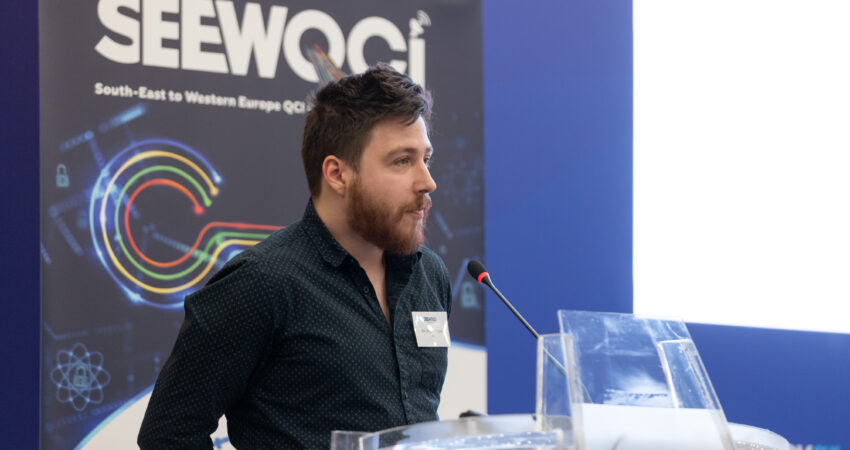
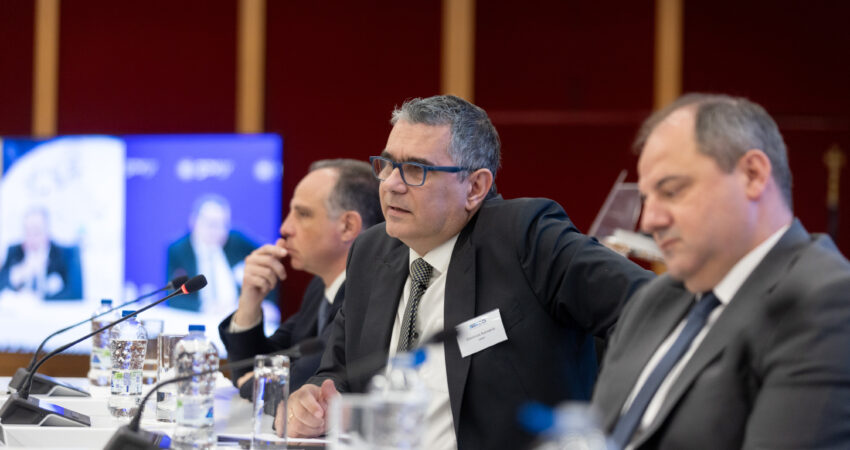
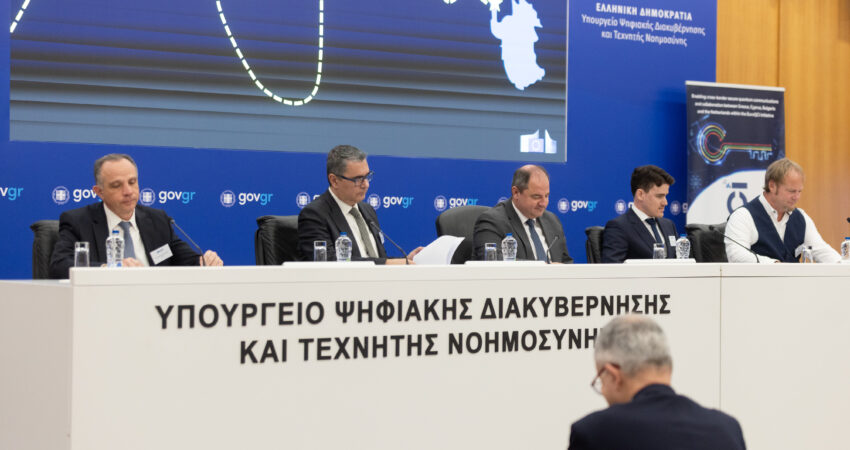
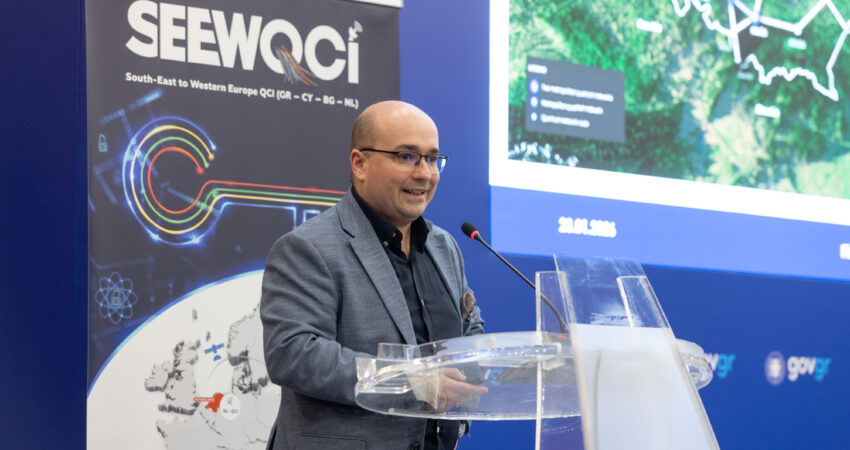
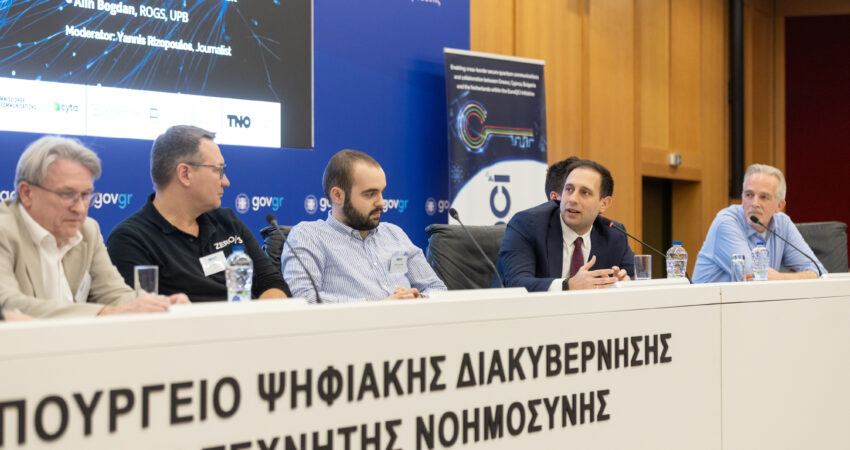
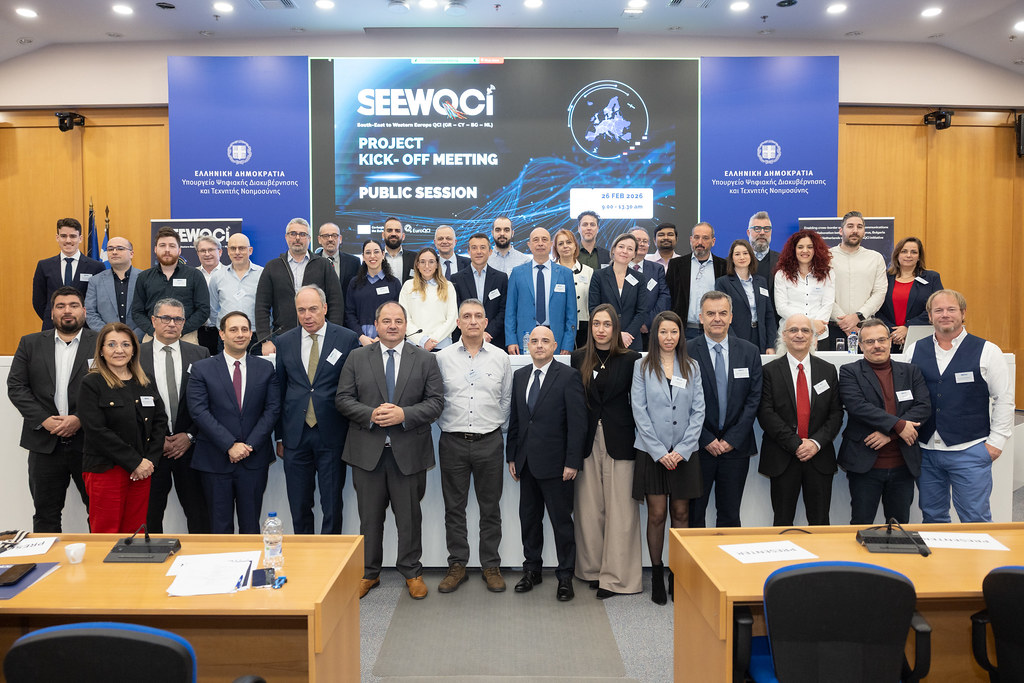
The official launch of the SEEWQCI project was held on 26-27 February 2026, at the Main Amphitheater of the Hellenic Ministry of Digital Governance, in Athens. The event brought together representatives from a consortium of 15 partners and 7 supporting organisations from Greece, Cyprus, Bulgaria, and the Netherlands.
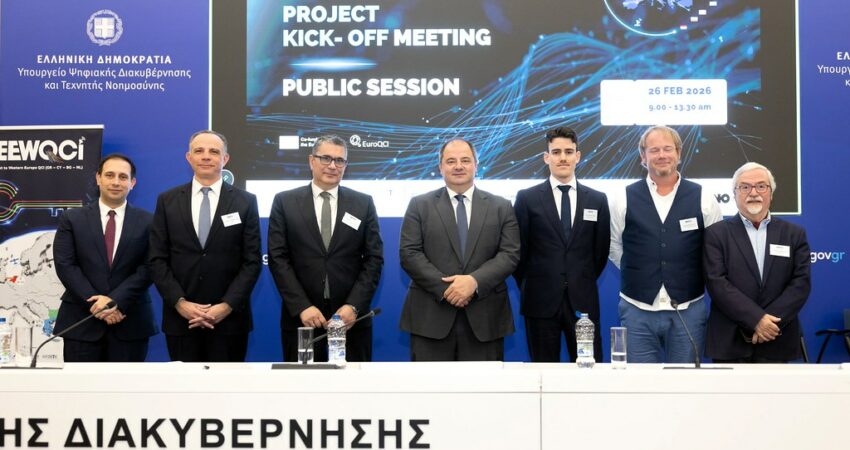
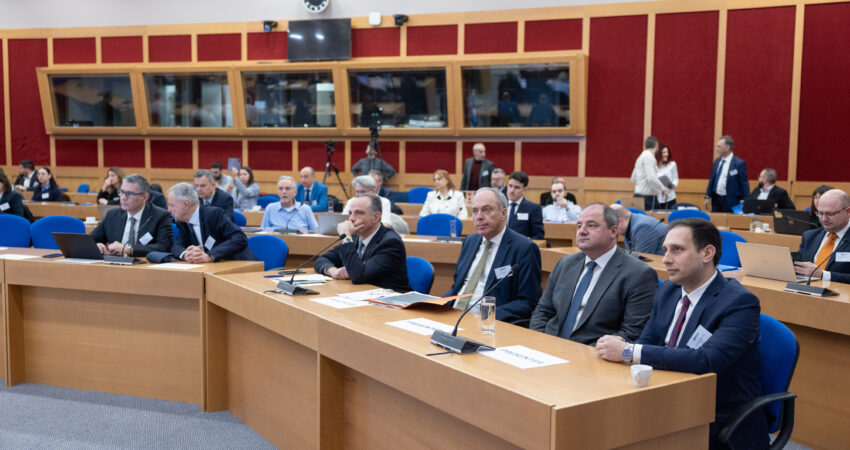
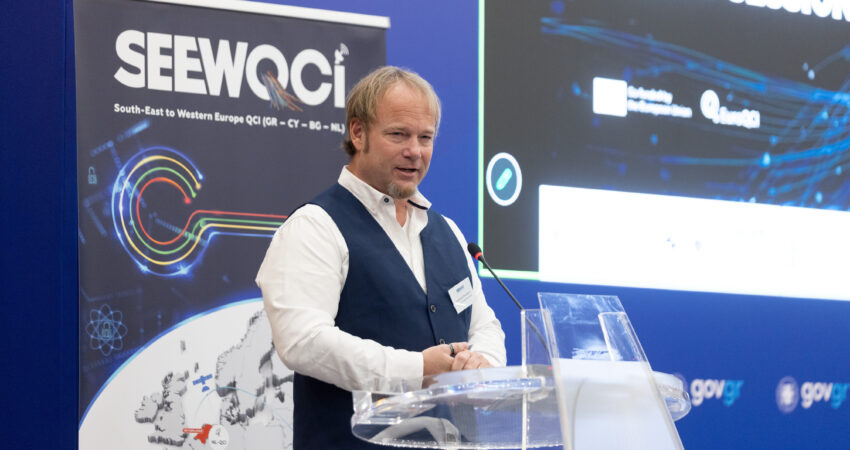
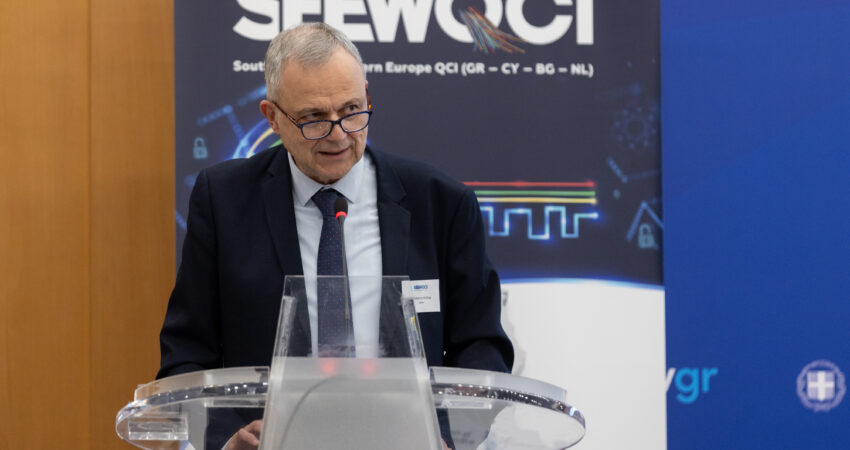
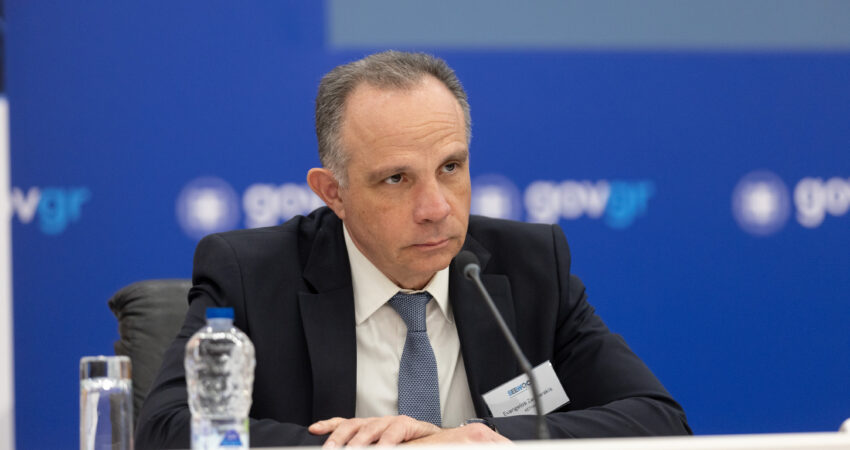
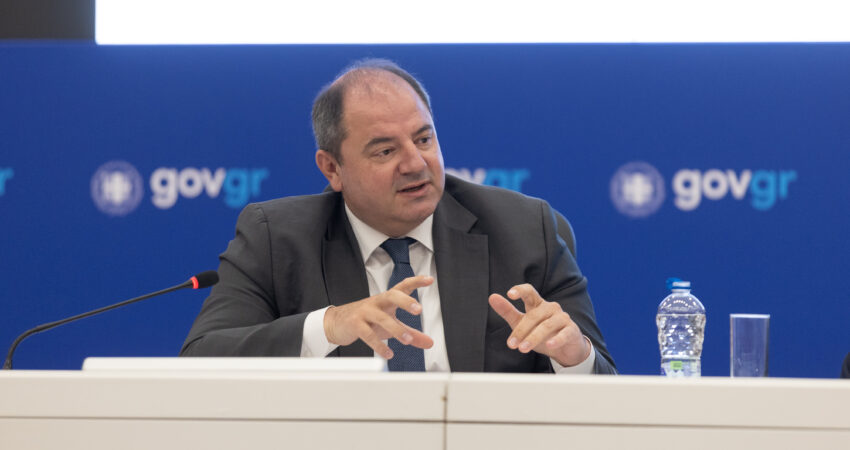
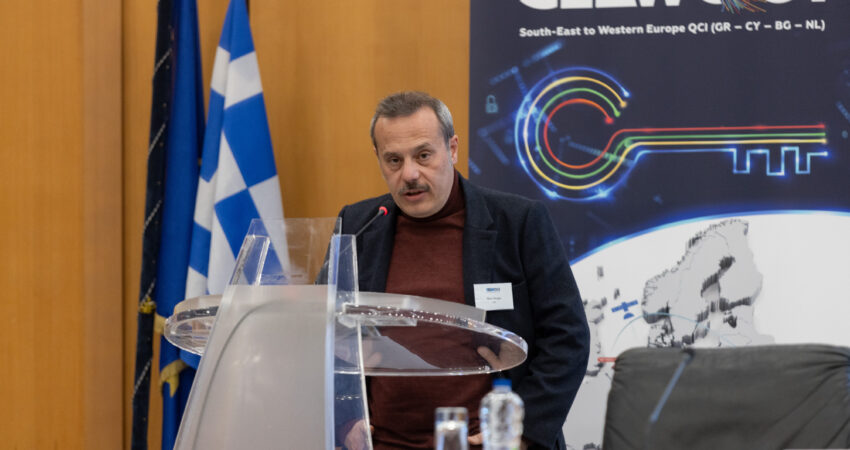
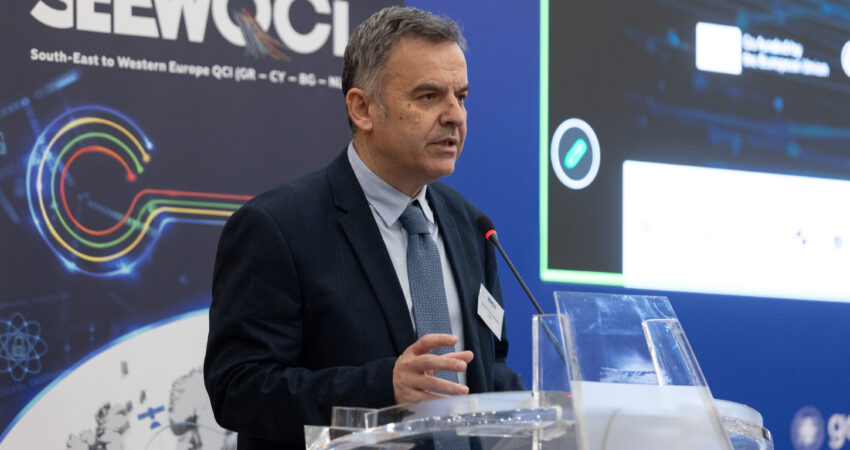
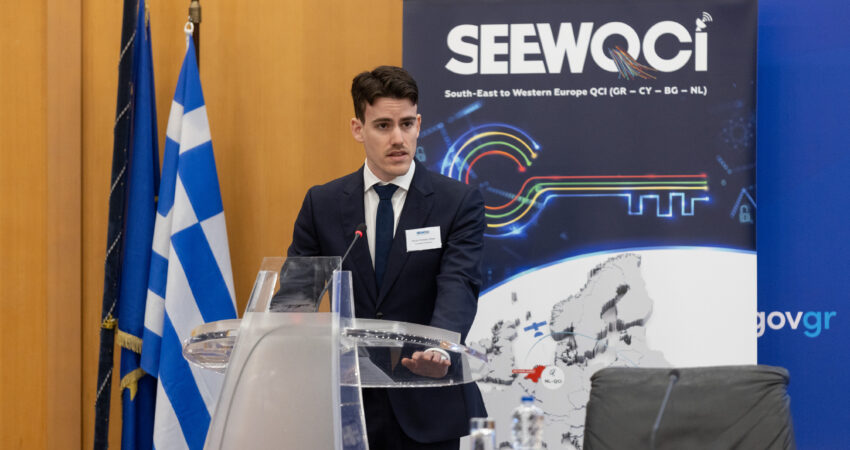
On February 26, during the open public session, the Secretary General of Telecommunications and Post at the Ministry of Digital Governance and Artificial Intelligence Konstantinos Karantzalos, addressed the audience with opening remarks, followed by the Deputy Minister of Foreign Affairs of Greece Harry Theoharis, the Acting Permanent Secretary of the Deputy Ministry of Research, Innovation and Digital Policy of Cyprus Georgios Komodromos, the Technology Diplomat and Programme Director ad Interim for the Programme Quantum Safe, of Ministry of Foreign Affairs of the Netherlands, Ferdinand Griesdoorn, and the Ambassador of the Grand Duchy of Luxembourg in Athens Paul Schmit. High level government and participating officials of all four partner countries addressed and discussed the benefits on the national security, the institutional and operational challenges of cross-border, quantum-secure connectivity. The event’s open session was moderated by journalist Yannis Rizopoulos.
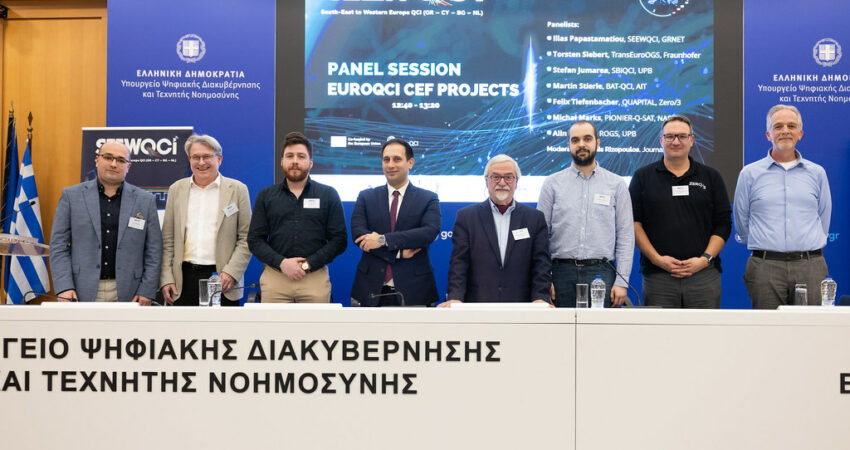
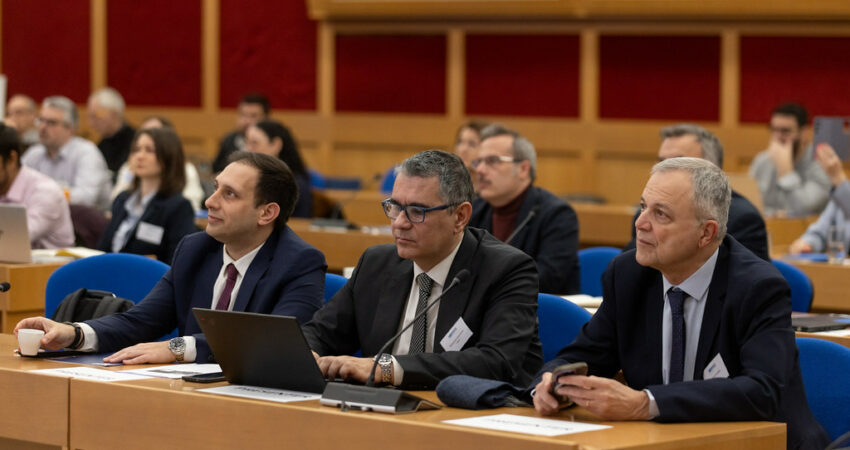
A huge contribution to the event was made by the participation and contributions of a total of 13 representatives from 19 EuroQCI CEF projects who are currently in the second implementation phase and their involvement showcases the scale, interoperability, and cohesion of the European effort to develop a unified, quantum-secure communications infrastructure.
The strong European representation at the SEEWQCI Kick-off reaffirms the confidence in Greek infrastructure and the country’s coordinating role. Through HellasQCI and SEEWQCI, Greece is actively contributing to the creation of a secure, resilient, and technologically sovereign European quantum communications ecosystem.
The SEEWQCI project will implement more than 29 quantum-secure communication use cases across more than 35 trusted nodes, establishing a resilient and fully interoperable cross-border quantum communications network.
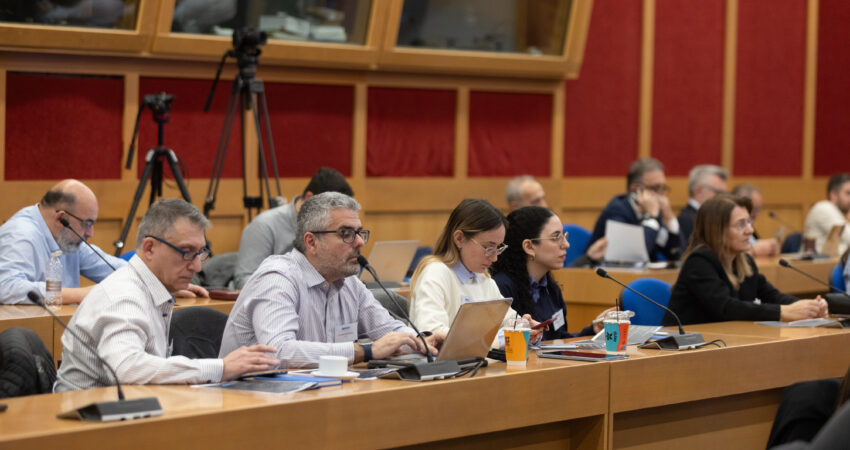
The kick-off meeting was attended by approximately 250 participants from 13 countries (64 in person and 180 online), including government officials, academics, representatives from research institutions, and journalists from major news agencies.
In total, the project involves 5 Ministries, 5 National Security Authorities (NSAs), 4 Security Operations Centers (SOCs), 9 Research & Technology Organizations, and 3 industrial partners. This diverse composition underscores the project’s robust political support, its operational depth, and the strong transnational cooperation driving the EuroQCI initiative.
The total budget for the SEEWQCI project (GA 101249531) amounts to EUR 17,8 million, with 50% co-financing from the Connecting Europe Facility (CEF) program.
More information here: www.seewqci.eu
Disclaimer
Views and opinions expressed are those of the author(s) only and do not necessarily reflect those of the European Union or of the European Commission. Neither the European Union nor the granting authority can be held responsible for them.