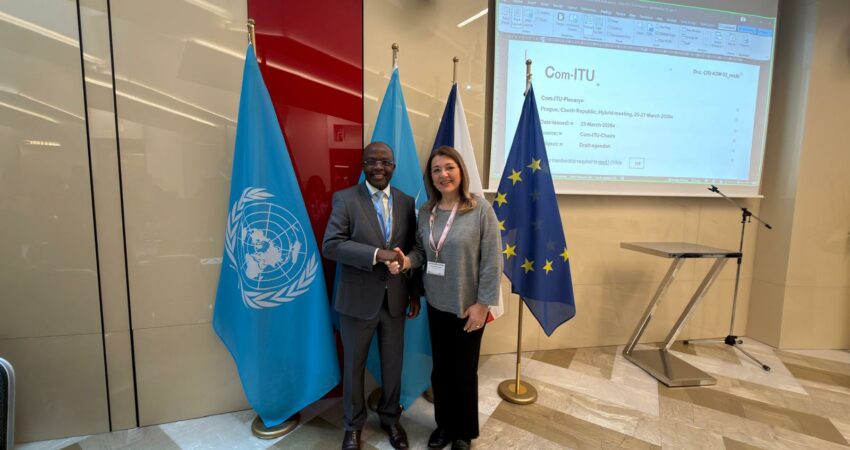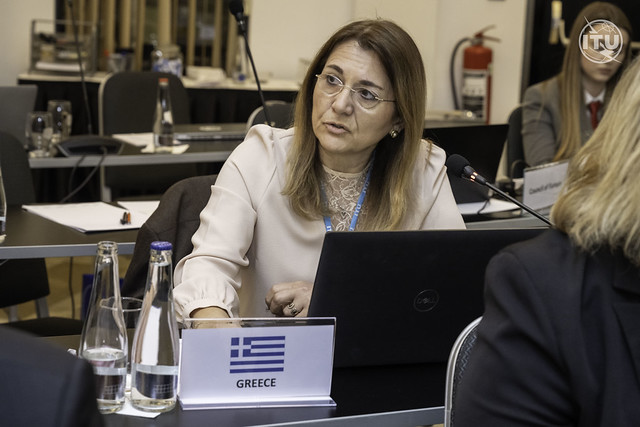
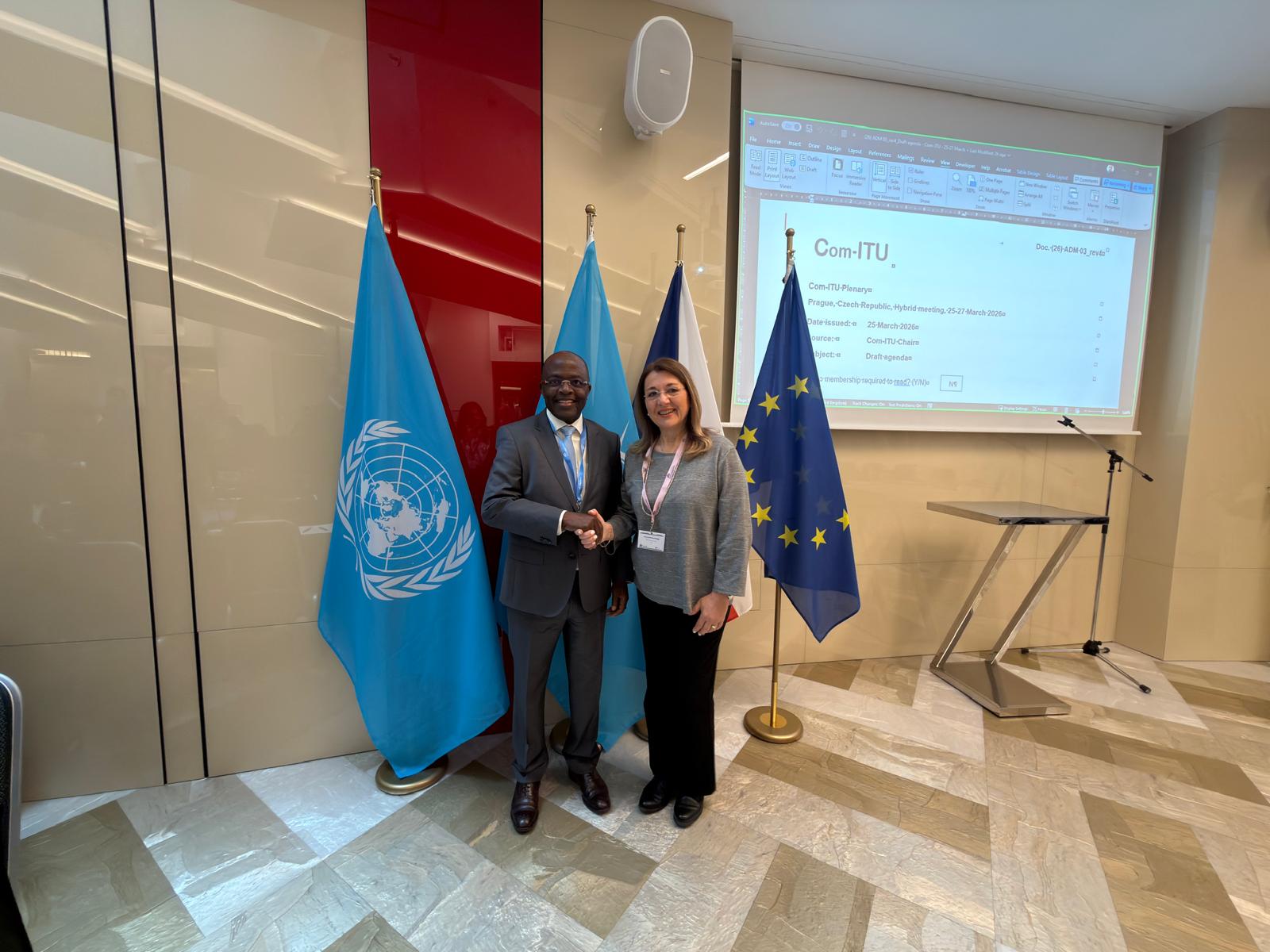
Greece actively contributed to the ITU Regional Development Forum for Europe 2026, held on 24 March 2026 in Prague. The country was represented by Sophia Papathanasopoulou, Head of the Broadband Unit at the General Secretariat of Telecommunications and Post.
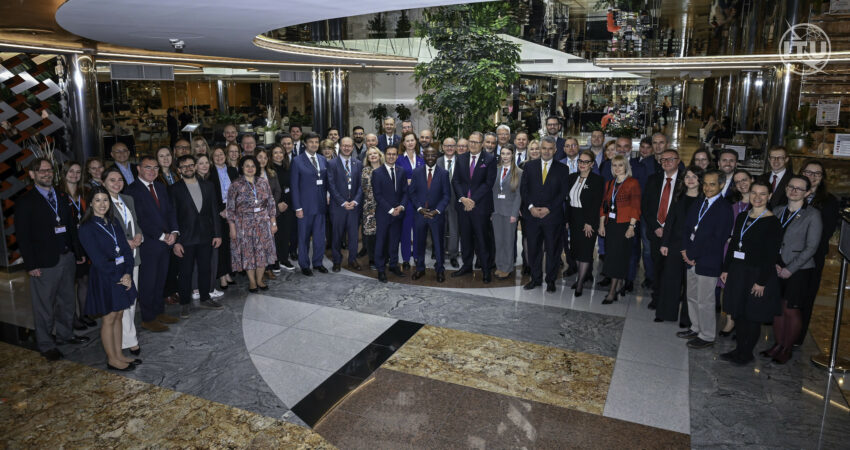
The forum brought together more than 80 participants (including 63 onsite), representing 26 Member States, with the participation of Dr. Cosmas Luckyson Zavazava, Director of the Telecommunication Development Bureau of the International Telecommunication Union.
During the forum, Greece contributed under the category “Expertise Sharing and International Cooperation” within EUR1: Digital Infrastructure Development. The official Greek contribution (Greece, 2026 / Doc. 25), titled “Excellence in Quantum Communications – From National Deployment to Cross-Border European Integration”, highlighted the country’s experience and readiness to support European discussions on trusted, resilient, and interoperable next-generation communication infrastructures. This includes key aspects such as standardisation, operational models, and capacity development for countries interested in quantum-secure connectivity.
Organised by the International Telecommunication Union in collaboration with the European Conference of Postal and Telecommunications Administrations, the forum serves as a key platform for dialogue among Member States and stakeholders across Europe. It supports the implementation of the outcomes of the World Telecommunication Development Conference 2025 and the European Regional Initiatives.
In this context, Greece’s progress in developing a robust quantum communication ecosystem was highlighted, positioning the country as a key contributor to the European Quantum Communication Infrastructure (EuroQCI).
HellasQCI was presented as Greece’s National Quantum Communication Infrastructure, a fully operational Quantum Key Distribution (QKD) network spanning more than 650 km across major metropolitan areas. The infrastructure interconnects critical governmental, academic, and research entities through dedicated fibre links and Optical Ground Stations, forming the backbone of secure quantum communications in Greece.
Building on this foundation, SEEWQCI was introduced as the next implementation phase and natural evolution of HellasQCI. The project enables the transition from national deployment to cross-border expansion and integration, interconnecting the National Quantum Communication Infrastructures (NatQCIs) of Greece, Cyprus, Bulgaria, and the Netherlands. It establishes a cross-border QKD backbone and supports hybrid terrestrial and space-based connectivity, including integration with the European EAGLE-1 satellite.
The contribution aligns with the objective of EUR1, which aims to facilitate universal and meaningful connectivity through resilient and synergistic infrastructure development, ensuring ubiquitous coverage across Europe.
Through its participation in RDF-EUR 2026, Greece reaffirmed its commitment to advancing secure, resilient, and interoperable quantum communication infrastructures, actively contributing to the implementation of the ITU Regional Initiatives for Europe (2026–2029).
More information about the forum is available here.